一

{"type":"编程笔记"}


  • Home

  • Archives
  • Search

猜姓氏 java 实现

Posted on 2017-10-09   |   In java

猜姓氏一般的都是127个姓之内,以下代码中一共包括400多个姓氏,这个猜姓氏的算法就是将每个姓氏对应一个独一无二的2进制编码。然后按2进制数不同bit位置上是1的进行分组,这样每组开头的数分别是1,2,4,8,16,32,64,128和256,将姓氏出现的那个组的第1个数字加在一起,得到的编号就是对应的姓。

import com.google.common.collect.Lists;import java.util.List;public class LastNameGuessing {    private static String[] LAST_NAMES = ("王,李,张,刘,陈,杨,黄,吴,赵,周,徐,孙,马,朱,胡,林,郭,何,高,罗,郑,梁," +            "谢,宋,唐,许,邓,冯,韩,曹,曾,彭,萧,蔡,潘,田,董,袁,于,余,叶,蒋,杜,苏,魏,程,吕,丁,沈,任,姚,卢,傅,钟,姜," +            "崔,谭,廖,范,汪,陆,金,石,戴,贾,韦,夏,邱,方,侯,邹,熊,孟,秦,白,江,阎,薛,尹,段,雷,黎,史,龙,陶,贺,顾,毛," +            "郝,龚,邵,万,钱,严,赖,覃,洪,武,莫,孔,汤,向,常,温,康,施,文,牛,樊,葛,邢,安,齐,易,乔,伍,庞,颜,倪,庄,聂," +            "章,鲁,岳,翟,殷,詹,申,欧,耿,关,兰,焦,俞,左,柳,甘,祝,包,宁,尚,符,舒,阮,柯,纪,梅,童,凌,毕,单,季,裴,霍," +            "涂,成,苗,谷,盛,曲,翁,冉,骆,蓝,路,游,辛,靳,欧阳,管,柴,蒙,鲍,华,喻,祁,蒲,房,滕,屈,饶,解,牟,艾,尤,阳," +            "时,穆,农,司,卓,古,吉,缪,简,车,项,连,芦,麦,褚,娄,窦,戚,岑,景,党,宫,费,卜,冷,晏,席,卫,米,柏,宗,瞿,桂," +            "全,佟,应,臧,闵,苟,邬,边,卞,姬,师,和,仇,栾,隋,商,刁,沙,荣,巫,寇,桑,郎,甄,丛,仲,虞,敖,巩,明,佘,池,查," +            "麻,苑,迟,邝,官,封,谈,匡,鞠,惠,荆,乐,冀,郁,胥,南,班,储,原,栗,燕,楚,鄢,劳,谌,奚,皮,粟,冼,蔺,楼,盘,满," +            "闻,位,厉,仝,区,郜,海,阚,花,权,强,帅,屠,豆,朴,盖,练,廉,禹,井,祖,漆,巴,丰,支,卿,国,狄,平,计,索,宣,晋," +            "相,初,门,雲,容,敬,来,扈,晁,芮,都,普,阙,浦,戈,伏,鹿,薄,邸,雍,辜,羊,阿,乌,母,裘,亓,修,邰,赫,杭,况,那," +            "宿,鲜,印,逯,隆,茹,诸,战,慕,危,玉,银,亢,嵇,公,哈,湛,宾,戎,勾,茅,利,於,呼,居,揭,干,但,尉,冶,斯,元,束," +            "檀,衣,信,展,阴,昝,智,幸,奉,植,衡,富,尧,闭,由,伊,万俟,司马,上官,夏侯,诸葛,东方,赫连,皇甫,尉迟,公羊," +            "澹台,公冶,宗政,濮阳,淳于,单于,太叔,申屠,公孙,仲孙,轩辕,令狐,钟离,宇文,长孙,慕容,鲜于,闾丘,司徒,司空," +            "亓官,司寇,子车,颛孙,端木,巫马,公西,漆雕,乐正,壤驷,公良,拓跋,夹谷,宰父,谷梁,段干,百里,东郭,南门,呼延," +            "羊舌,微生,梁丘,左丘,东门,西门,南宫").split(",");    private static int MAX = LAST_NAMES.length; // 255 or 127,一般的就算127个姓    private static final List<List<LastName>> GROUPS = init();    private static int log(int x, int base) {        return (int) Math.ceil(Math.log(x) / Math.log(base));    }    private static List<List<LastName>> init() {        int size = log(MAX + 1, 2);        List<LastName> data = getData();        List<LastName> list = data.subList(0, MAX);        List<List<LastName>> groups = Lists.newArrayList();        for (int i = 0; i < size; i++) {            List<LastName> group = Lists.newArrayList();            groups.add(group);            for (LastName t : list) {                int id = t.getId();                int b = (id >> i) & 0x1; // 高位取0                if (b == 1) {                    group.add(t);                    String lastName = t.getLastName();                    System.out.printf("%3d\t%s\t", id, lastName);                }            }            System.out.println("\n");        }        return groups;    }    private static List<LastName> getData() {        int length = LAST_NAMES.length;        List<LastName> lastNames = Lists.newArrayList();        for (int i = 0; i < length; i++) {            String s = LAST_NAMES[i];            LastName lastName = new LastName();            lastName.setId(i + 1);            lastName.setLastName(s);            lastNames.add(lastName);        }        return lastNames;    }    public static void query(String q) {        int size = log(MAX + 1, 2);        String result = "";        for (int i = 0; i < size; i++) {            List<LastName> group = GROUPS.get(i);            boolean found = false;            for (LastName g : group) {                String lastName = g.getLastName();                if (lastName.equals(q)) {                    found = true;                    break;                }            }            if (found) {                result = "1" + result;            } else {                result = "0" + result;            }        }        System.out.printf("%-10s->%4d:%s%n", result, Integer.parseInt(result, 2), q); // 10000110 -> 134    }    public static void main(String[] args) {    }}class LastName {    private int id;    private String lastName;    public int getId() {        return id;    }    public void setId(int id) {        this.id = id;    }    public String getLastName() {        return lastName;    }    public void setLastName(String lastName) {        this.lastName = lastName;    }}
Read more »

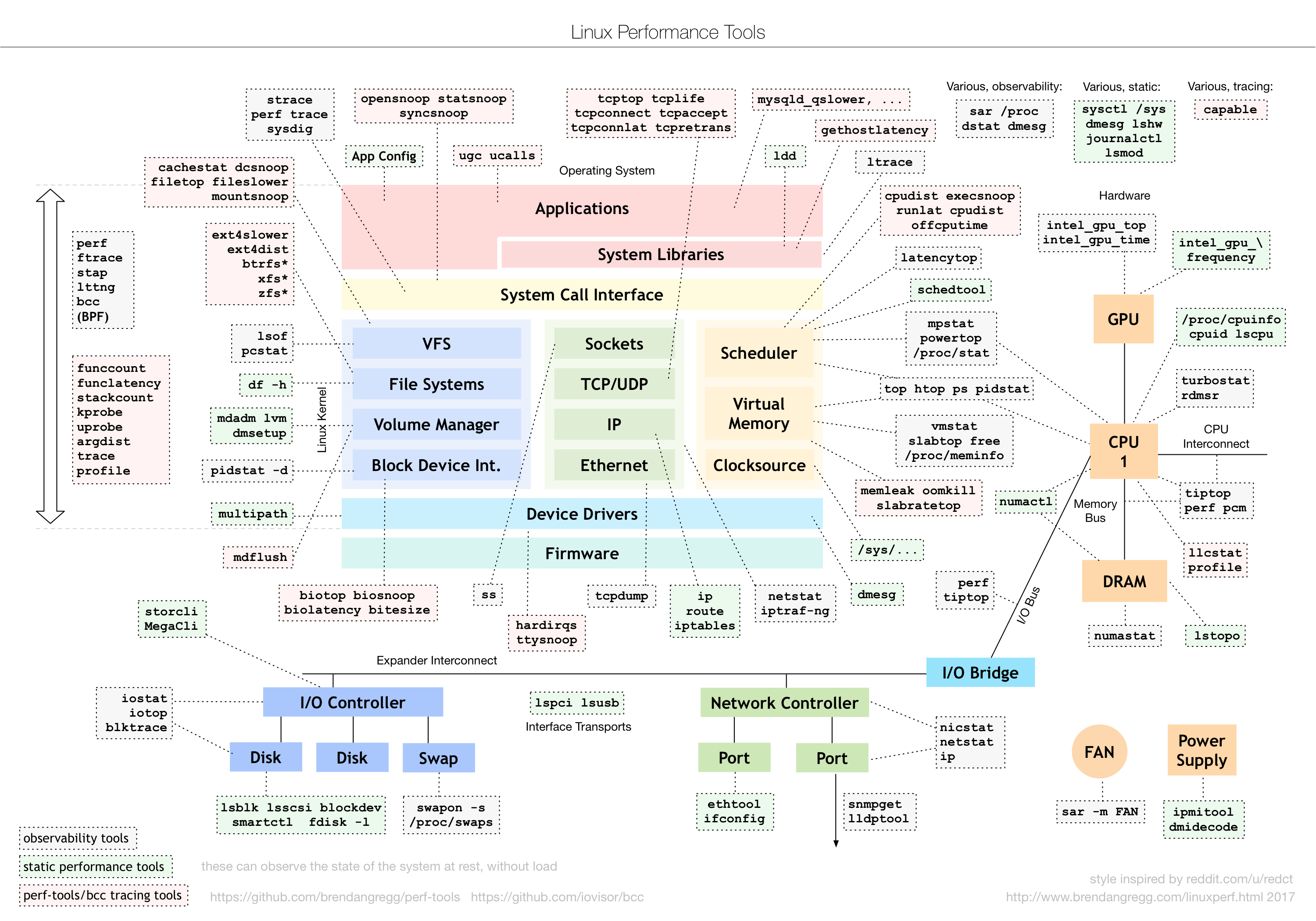
linux performance tools

Posted on 2017-10-01   |   In linux
Read more »

unix network programming chapter 6 - i/o multiplexing

Posted on 2017-09-29   |   In linux

Chapter 6. I/O Multiplexing: The select and poll Functions

Introduction

When the TCP client is handling two inputs at the same time: standard input and a TCP socket, we encountered a problem when the client was blocked in a call to fgets (on standard input) and the server process was killed. The server TCP correctly sent a FIN to the client TCP, but since the client process was blocked reading from standard input, it never saw the EOF until it read from the socket (possibly much later).

We want to be notified if one or more I/O conditions are ready (i.e., input is ready to be read, or the descriptor is capable of taking more output). This capability is called I/O multiplexing and is provided by the select and poll functions, as well as a newer POSIX variation of the former, called pselect.

I/O multiplexing is typically used in networking applications in the following scenarios:

  • When a client is handling multiple descriptors (normally interactive input and a network socket)
  • When a client to handle multiple sockets at the same time (this is possible, but rare)
  • If a TCP server handles both a listening socket and its connected sockets
  • If a server handles both TCP and UDP
  • If a server handles multiple services and perhaps multiple protocols

I/O multiplexing is not limited to network programming. Many nontrivial applications find a need for these techniques.

I/O Models

We first examine the basic differences in the five I/O models that are available to us under Unix:

  • blocking I/O
  • nonblocking I/O
  • I/O multiplexing (select and poll)
  • signal driven I/O (SIGIO)
  • asynchronous I/O (the POSIX aio_ functions)

There are normally two distinct phases for an input operation:

  1. Waiting for the data to be ready. This involves waiting for data to arrive on the network. When the packet arrives, it is copied into a buffer within the kernel.
  2. Copying the data from the kernel to the process. This means copying the (ready) data from the kernel's buffer into our application buffer
Read more »

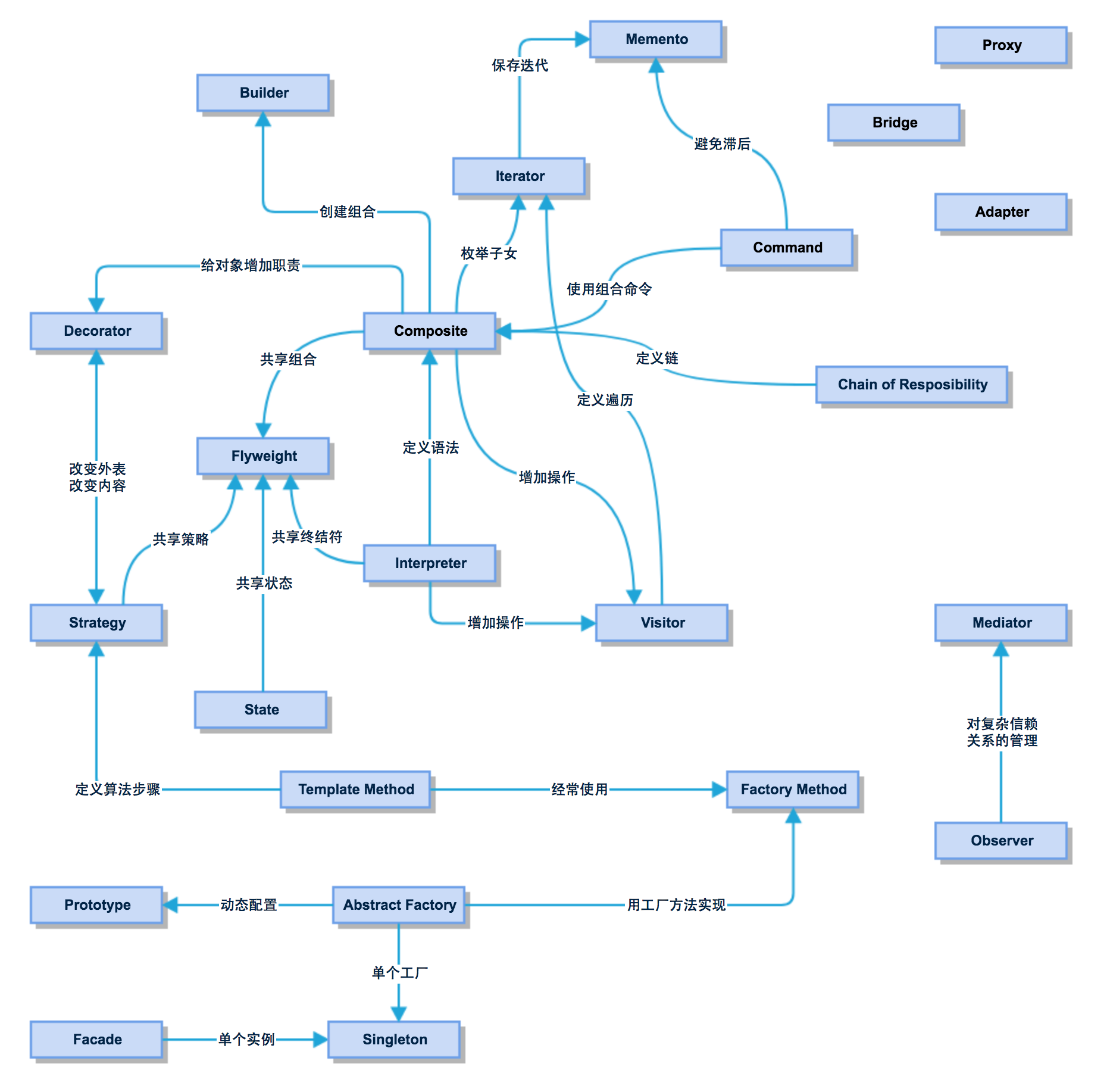
gof - relationships of 23 design patterns

Posted on 2017-09-23   |   In java

设计模式关系图

Read more »

getting started with the g1 garbage collector

Posted on 2017-09-21   |   In java

Overview

This tutorial covers the basics of how to use the G1 garbage collector and how it can be used with the Hotspot JVM. You will learn how the G1 collector functions internally, the key command line switches for using G1, and options for logging its operation.

Java Technology and the JVM

Java Overview

Java is a programming language and computing platform first released by Sun Microsystems in 1995. It is the underlying technology that powers Java programs including utilities, games, and business applications. Java runs on more than 850 million personal computers worldwide, and on billions of devices worldwide, including mobile and TV devices. Java is composed of a number of key components that, as a whole, create the Java platform.

Java Runtime Edition

When you download Java, you get the Java Runtime Environment (JRE). The JRE consists of the Java Virtual Machine (JVM), Java platform core classes, and supporting Java platform libraries. All three are required to run Java applications on your computer. With Java 7, Java applications run as desktop applications from the operating system, as a desktop application but installed from the Web using Java Web Start, or as a Web Embedded application in a browser (using JavaFX).

Read more »
1…111213…99
yuweijun

yuweijun

492 posts
12 categories
RSS
GitHub Twitter
© 2021 yuweijun
Powered by Hexo
Theme - NexT.Mist.KISS